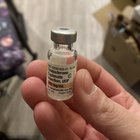
TB-500 Research Guide: Complete Scientific Overview for 2026
Introduction
The TB-500 Research field has gained significant attention in regenerative biology and tissue repair studies. TB-500 is a synthetic peptide fragment derived from thymosin beta-4, a naturally occurring protein found in nearly all human cells. Researchers primarily study it for its role in cell migration, wound healing pathways, and tissue regeneration mechanisms.
Unlike metabolic peptides such as GLP-1 compounds, TB-500 is focused on structural repair systems within the body. It is widely investigated in preclinical models for its potential influence on healing processes, inflammation regulation, and cellular movement.
This guide breaks down TB-500 Research, its mechanisms, biological pathways, and why it continues to attract scientific interest.
What Is TB-500?
TB-500 is a synthetic heptapeptide fragment of thymosin beta-4, typically corresponding to the active actin-binding region.
Key Research Identity
- Derived from thymosin beta-4 (Tβ4)
- Short synthetic peptide fragment
- Studied for actin regulation and cell movement
- Widely used in preclinical regenerative research
How TB-500 Works
Understanding TB-500 Research begins with its core biological function: actin regulation.
Actin is a structural protein that controls:
- Cell shape
- Cell movement
- Tissue repair signaling
- Cellular migration
TB-500 is studied for its ability to influence how actin is organized within cells, which affects how cells move toward damaged tissue sites.
10 Powerful Mechanisms in TB-500 Research
1. Actin Regulation
TB-500 is primarily studied for its role in regulating actin dynamics, a key driver of cell movement.
2. Cellular Migration
Researchers investigate how TB-500 may support the movement of cells toward injured tissue.
3. Angiogenesis (Blood Vessel Formation)
TB-500 is studied for its potential role in new blood vessel development in tissue repair models.
4. Tissue Regeneration Pathways
It is widely researched in models involving soft tissue and connective tissue repair.
5. Inflammation Modulation
TB-500 is examined for its influence on inflammatory signaling pathways in injury models.
6. Wound Healing Processes
Researchers use TB-500 in studies related to skin and tissue recovery mechanisms.
7. Connective Tissue Repair
Tendon and ligament repair models often include TB-500-related research.
8. Stem Cell Movement
Some studies explore how TB-500 may influence stem cell migration to damaged areas.
9. Extracellular Matrix Remodeling
TB-500 is studied for its potential role in restructuring tissue scaffolding after injury.
10. Systemic Recovery Signaling
Unlike localized peptides, TB-500 is often described in research as having broader systemic effects on cellular repair pathways.
TB-500 Structure and Biological Origin
TB-500 is derived from thymosin beta-4, a 43-amino-acid protein naturally found in:
- Blood platelets
- Wound tissue
- Muscle cells
- Endothelial tissue
The TB-500 fragment represents the key actin-binding region responsible for cell movement and structural regulation.
TB-500 vs Thymosin Beta-4
| Feature | TB-500 | Thymosin Beta-4 |
|---|---|---|
| Structure | Synthetic fragment | Full protein |
| Research stage | Preclinical | More extensive studies |
| Focus | Cell migration | Broad biological repair |
| Mechanism | Actin regulation | Multi-pathway effects |
Why Researchers Study TB-500
1. Regenerative Biology
TB-500 is widely used in studies of tissue repair mechanisms.
2. Injury Recovery Models
Researchers explore how cells respond to damage and repair signaling.
3. Cardiovascular Research
Some studies investigate its role in cardiac tissue repair pathways.
4. Connective Tissue Science
Tendon, ligament, and muscle repair models often include TB-500.
TB-500 Research Compared to BPC-157
A common comparison in regenerative peptide studies:
- TB-500: Systemic cellular migration and actin regulation
- BPC-157: Localized tissue and gastrointestinal repair signaling
These differences help researchers select appropriate models depending on biological focus.
TB-500 Mechanism of Action (Simplified)
- TB-500 interacts with actin-binding pathways
- Cellular structure dynamics are influenced
- Cells become more mobile in injury models
- Migration toward damaged tissue is observed
- Tissue repair processes are studied
Safety and Research Context
Current literature indicates that TB-500 is primarily studied in:
- Cell culture models
- Animal research
- Preclinical regenerative studies
It is not established as an approved therapeutic agent, and human clinical data remains limited.
TB-500 Storage in Research Settings
Proper handling is essential in laboratory environments:
- Store lyophilized peptide in cool, dry conditions
- Protect from light and moisture
- Follow standardized research protocols
- Maintain sterile handling procedures
Future of TB-500 Research
The TB-500 Research field continues to evolve, especially in:
- Regenerative medicine
- Cellular migration science
- Tissue engineering
- Inflammation pathway studies
- Organ repair research models
As understanding of actin biology expands, TB-500 remains an important tool in experimental research.
Why Researchers Choose Prime Peptide Vault
Prime Peptide Vault supports research with:
- High-purity peptide compounds
- Third-party COA verification
- Transparent sourcing standards
- Educational research content
- Quality-controlled supply practices
Conclusion
The TB-500 Research landscape focuses heavily on its role in actin regulation, cellular migration, angiogenesis, and tissue regeneration pathways. As a synthetic fragment of thymosin beta-4, TB-500 continues to play an important role in preclinical regenerative science.
While research is still developing, its mechanisms offer valuable insight into how the body coordinates complex repair processes at the cellular level.